
Imagine planning your perfect wedding. You’ve found the location, chosen your celebrant and created a ceremony that reflects exactly who you are as a couple. There’s just one catch: your celebrant can’t legally marry you.
For couples in England, this is currently a reality.
How does the law work in England?
Marriage laws in England and Wales are still largely based on legislation dating back to the 18th and 19th centuries.
Currently, couples generally need to marry through either a civil ceremony conducted by a registrar or a religious ceremony that meets the legal requirements.
Independent celebrants can create and conduct incredibly personal, meaningful ceremonies, but they cannot legally marry couples. This means couples often have to arrange a separate appointment at a register office to make their marriage legally recognised.
For many, this feels like an unnecessary extra step.
What’s happening in Scotland?
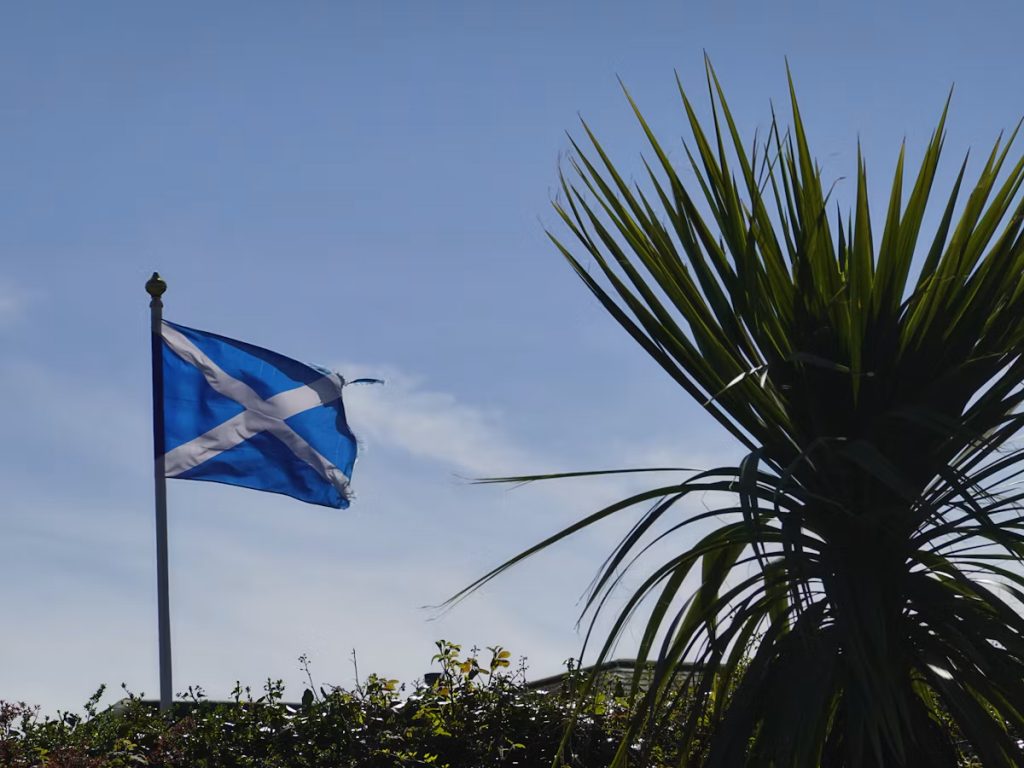
Scotland has a rather different approach.
Here, couples have greater freedom over who conducts their wedding ceremony. Authorised independent celebrants, including humanist and other belief celebrants, can conduct legally recognised marriages.
It’s also possible to marry in a huge variety of locations, provided the legal requirements are met.
The focus is much more on the person conducting the ceremony rather than simply the building in which it takes place.
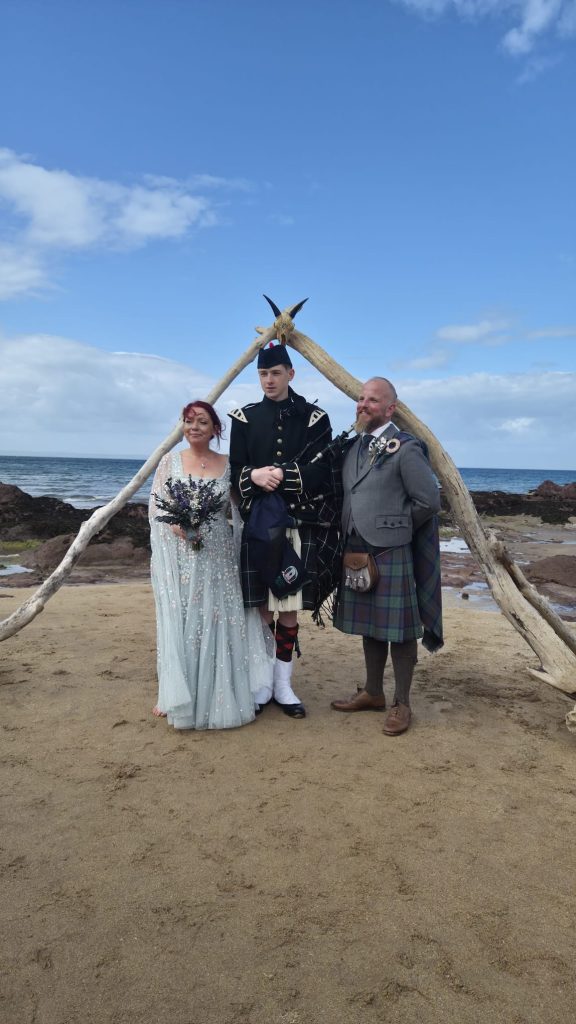
It’s a system that allows couples to have a wedding that feels like them, without having to separate the personal celebration from the legal commitment.
Is England finally catching up?
There has been a growing push for change, and things are beginning to move.
Following recommendations from the Law Commission in 2022, the UK Government announced its intention to reform wedding laws in October 2025.
In July 2026, a formal consultation was launched on proposed changes to marriage law in England and Wales.
The proposals include:
- Allowing independent celebrants to conduct legally binding weddings.
- Giving couples greater freedom over where they get married.
- Moving towards a system based on the person conducting the ceremony rather than the venue.
- Creating a fairer system for religious and non-religious ceremonies.
- Introducing clearer regulation and responsibilities for wedding officiants.
The consultation closed in September 2026, and the Government will now consider the responses before developing legislation. Any changes will depend on parliamentary time.
So, while nothing has changed just yet, there is real momentum behind reform.
Why does this matter?
A wedding should be about two people making a commitment to each other in a way that feels right for them.
It shouldn’t matter whether that’s on a beach, in a woodland, at home, in a castle or somewhere completely unexpected.
And it shouldn’t mean having to arrange two separate ceremonies simply because the person you want to marry you isn’t legally recognised to do so.
Here in Scotland, we already have the freedom to offer couples something wonderfully personal, with the legal marriage and the celebration brought together.
It will be interesting to see how things develop south of the border.
A Celebrant on Both Sides of the Border
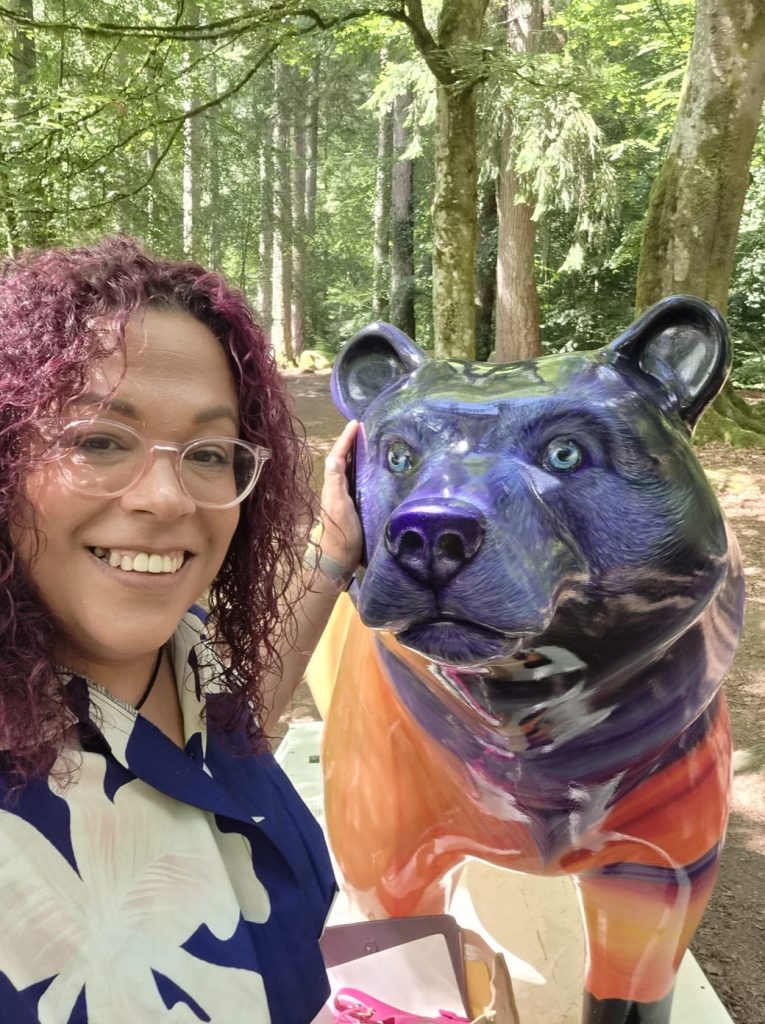
Living and working in the Scottish Borders, I’m lucky to be right on the doorstep of two very different marriage systems. I get to work across both Scotland and England, and it’s fascinating to see the differences.
Scotland has embraced the role of independent celebrants, allowing couples to have a legally recognised marriage ceremony that is personal, meaningful and completely their own.
Just across the border in England, things are rather different, with couples still facing restrictions on who can legally conduct their marriage.
Take somewhere like Marshall Meadows Manor House, for example. Sitting just a stone’s throw from the Scottish border, it’s a beautiful reminder of just how close the two countries are, yet how different the marriage laws can be.
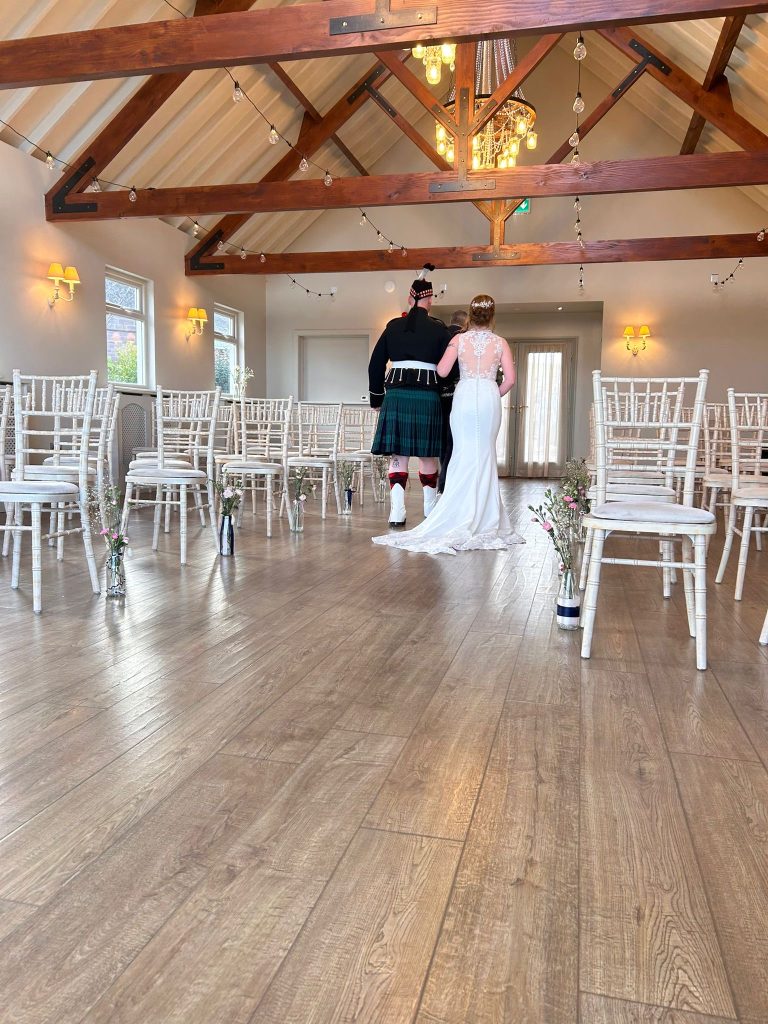
It’s one of the things I love about working in this part of the world. I can celebrate weddings on both sides of the border, but I would love to see couples in England eventually enjoy the same freedoms that couples in Scotland already have.
After all, love doesn’t stop at the border, so why should the freedom to choose your celebrant?